













AI Fact Checking Assistant
Verify claims and separate fact from fiction fast
 AIToosay 2.5 fast
Fast AIToosay 2.5 fast model for everyday writing, with no daily limit.
NEW
Fast
Premium
AIToosay 2.5 fast
Fast AIToosay 2.5 fast model for everyday writing, with no daily limit.
NEW
Fast
Premium






Your prompt will appear here…
Your beautifully formatted article will appear here once you generate.
No history yet
Your generations will appear here. Sign in to save them permanently.
Have you ever shared a statistic and then wondered where it came from? Do you read a headline and feel unsure whether the study behind it says what the headline claims? Have you written something confident and only later checked whether the number was current?
Checking a claim properly is slow work. You have to find the original source, work out whether it is credible, check whether the number has been updated, and notice when a quote has been trimmed to change its meaning. Most people skip it, not from carelessness but because the process is unclear.
The AI Fact Checking Assistant makes the process explicit. Give it a claim and it tells you what would need to be true, which sources would settle it, and where the claim is most likely to be wrong.
Short answer: The AI Fact Checking Assistant is a free tool on AIToolsay. It helps you check claims properly. You paste a statement, statistic, quote or headline, choose an evidence standard such as Primary Sources or Peer-Reviewed, and it returns a structured verdict with the checks to run and the confidence to place in it.
What is AI Fact Checking Assistant?
It is a free tool that structures the work of verifying a claim. It does not browse the internet or look anything up live.
That distinction is the most important thing on this page. What you get is the method: what the claim actually asserts, what evidence would confirm or refute it, which parts are most likely to be wrong, and what kind of source you would need to settle it. You then go and check.
Claim Type shapes the approach. A Statistic needs a different check from a Quote, which needs a different check from a Historical Fact. Naming the type first is what makes the rest useful.
Why Use AI Fact Checking Assistant?
Claims survive unchecked for four reasons.
- The check is unclear. People know they should verify and do not know what verifying involves.
- Confident phrasing. A number stated precisely feels sourced even when it is not.
- Circular sourcing. Five articles citing each other looks like five sources and is one.
- Half true claims. The hardest ones. A real study, described in a way it does not support.
Important This tool structures the check. It cannot browse the web, open a link or confirm that a source exists. Never treat its verdict as verification. Use the method it gives you, then find the source yourself.
Who Should Use It?
Writers and journalists
Anything going out with your name attached needs its numbers checked.
Students
Learning what counts as a source, and why a blog citing a study is not the study.
Marketers
Claims in copy that could be challenged, or be legally risky.
Teachers
Teaching source evaluation with a repeatable structure students can follow.
Anyone in an argument online
Checking your own side before checking theirs.
Analysts and researchers
Reports where one wrong figure undermines everything around it.
How Does AI Fact Checking Assistant Work?
Every AIToolsay tool works the same way. Learn it here and you can use any of them.
- Prompt input area. Paste the claim, plus the rules you want applied and how you want the verdict presented.
- AI model selector. Pick the engine: MSB AI, OpenAI ChatGPT, Google Gemini, Anthropic Claude AI, xAI Grok AI, DeepSeek, Qwen, Meta AI, NVIDIA AI, OpenRouter AI or MiniMax.
- Advanced options accordion. Set the claim type, scope, evidence standard and verdict format.
- Generate button. One click structures the check.
- Output section. The analysis appears in a result card with a live word count.
- Export tools. Download DOC, TXT or HTML to work through the checks alongside your sources.
- Activity history panel. Check the same claim at two strictness levels and see which parts survive both.
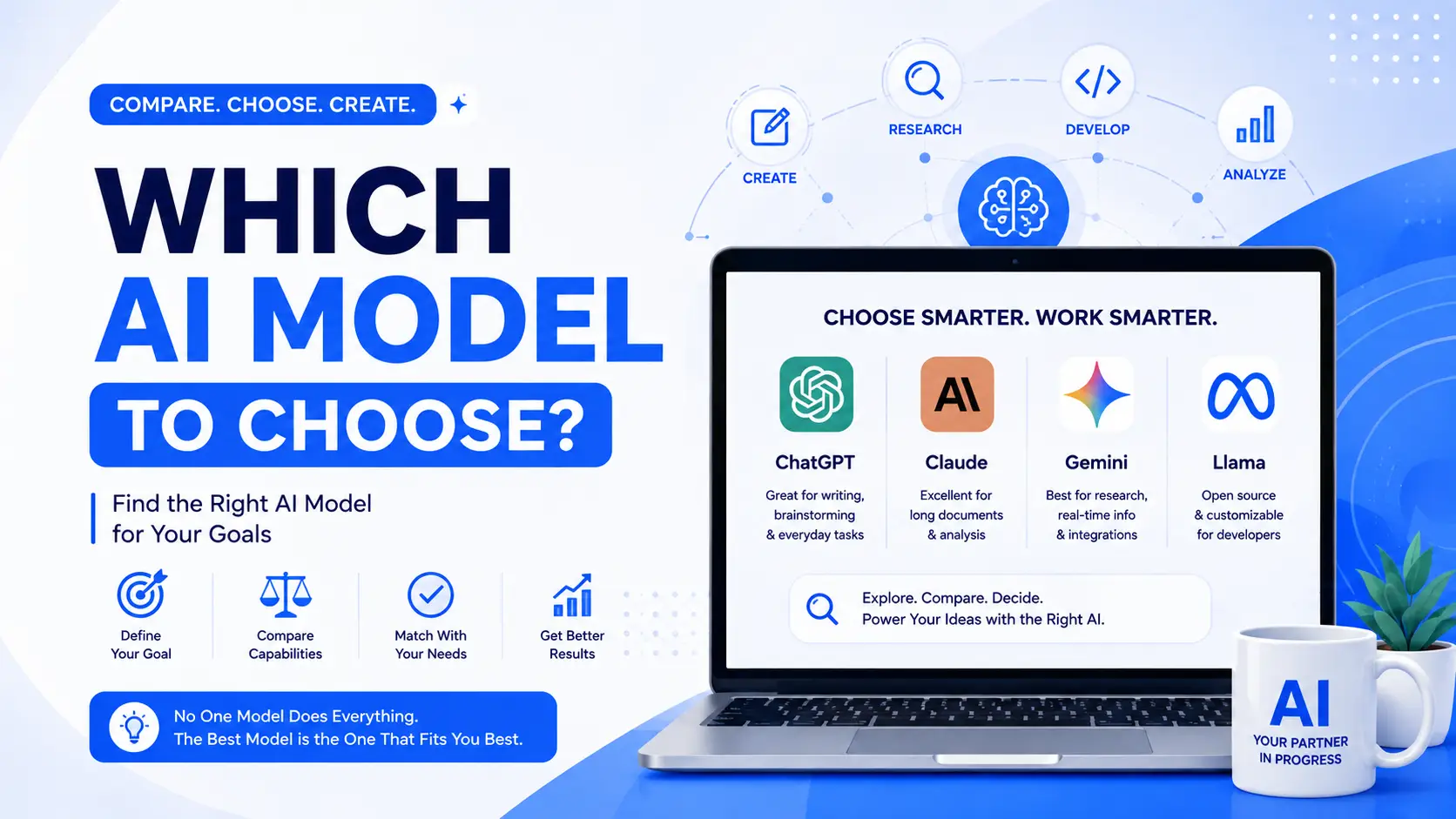
Step two is worth a moment. Different models suit different claims:
| What you are checking | What matters most |
|---|---|
| A simple factual statement | Speed. The check is short. |
| A scientific or statistical claim | Reasoning, since the error is usually in the interpretation |
| A long document with many claims | Context handling, so nothing gets skipped |
| Anything contested | Run it on two models. Where they disagree is where to look hardest. |
Key Features
- ✅ Nine claim types, each with a different checking approach
- ✅ Eight verification scopes, from a single claim to a full document
- ✅ Six evidence standards, up to peer reviewed and primary sources
- ✅ Eight verdict formats, including confidence percentages
- ✅ Date and name checks, where most quiet errors hide
- ✅ Free with no account, no credits and no daily limit
Advanced Options Guide
| Option | What it changes | Where to start |
|---|---|---|
| Claim Type | Statement, Statistic, Quote, Event, News Story, Scientific Claim, Historical Fact, Social Media Post or Headline | Set it accurately. A Statistic and a Quote fail in completely different ways. |
| Verification Scope | Single Claim, Key Claims Only, All Claims, Full Document, Quick Scan, Standard, Thorough or Exhaustive | Key Claims Only for an article. Single Claim when one number is in question. |
| Evidence Standard | Any Source, Reputable Sources, Multiple Independent Sources, Primary Sources, Peer-Reviewed or Official/Authoritative | Multiple Independent Sources as a default. It is what catches circular sourcing. |
| Verdict Format | Pass/Fail, True/False, Rating Scale, Likely/Unclear, Detailed Verdict, Annotated, Confidence % or Pros & Cons | Likely/Unclear is the honest one for most claims. True/False forces certainty that often is not there. |
| Check dates | Flags whether the claim depends on when it was made | Leave on. A true 2019 statistic quoted today is a common quiet error. |
| Verify names | Flags people, organisations and titles to confirm | On. Misattributed quotes are one of the most common failures. |
| Cross-check sources | Looks for circular sourcing in what you supply | On. Five outlets citing one press release is one source. |
| Rate confidence | Adds a confidence level to the verdict | On. It stops a structured guess reading as a settled fact. |
| Fact Check Strictness | A slider from 1 to 10 for how demanding the standard is | 5 for everyday checking. 9 for anything published or legally sensitive. |
| Fact-Checking Notes | A box for rules, evidence needs and verdict style | Where the claim came from, what sources you already have, and what standard you must meet. |
Tip Set Verdict Format to Likely/Unclear rather than True/False. Most real claims are partly true, and a format that forces a binary answer hides the interesting part, which is usually which half is wrong.
Pro tip Rate confidence is the most useful toggle here, because the interesting output is not the verdict but the claims it is unsure about. Those are the ones worth your own time in a primary source.
Example Inputs
Prompt: "Claim from a marketing article: 'Companies that use AI tools see a 40 percent increase in productivity, according to a recent study.'"
First attempt: Claim Type Statement, Scope Single Claim, Evidence Standard Any Source, Verdict True/False, Strictness 3.
Second attempt: Claim Type Statistic, Scope Standard, Evidence Standard Primary Sources, Verdict Likely/Unclear, Check dates on, Verify names on, Cross-check sources on, Rate confidence on, Strictness 8.
Fact-Checking Notes: "Found in a vendor blog post. No study linked. Needs to meet a standard suitable for publication."
Example Outputs
The first attempt gave a plausible sounding assessment and settled nothing. At low strictness with a True/False verdict, it produced exactly the kind of confident answer the claim itself had.
The second attempt broke the claim into four separate assertions that each need checking: that a specific study exists, what it measured, what "companies that use AI tools" meant in that study, and whether 40 percent referred to productivity or to something narrower like task completion time. It flagged "recent" as undated and unverifiable. It noted that a vendor blog citing an unlinked study is a single source with an interest in the result, not evidence.
None of that is a verdict. It is a list of things to go and check, which is what the claim actually needed.
Tips & Common Mistakes
What a proper check involves:
- ✅ Breaking one claim into the separate assertions inside it
- ✅ Finding the primary source, not an article describing it
- ✅ Checking whether the number is still current
- ✅ Confirming that quotes were not trimmed to change meaning
- ✅ Noticing when several sources trace back to one
- ✅ Recording confidence honestly, including when it is low
What goes wrong:
- Treating the output as verification. It is a method, not a result. You still find the source.
- Using Any Source as the standard. That is the standard that let the claim spread in the first place.
- Choosing True/False. Most claims are partly true, and a binary hides where the problem is.
- Turning off date checking. A correct old number presented as current is a very common error.
- Only checking claims you disagree with. Check your own side first. It is more useful and less comfortable.
- Low strictness on published work. Anything with your name on it deserves 8 or above.
Comparison Table
| Step | Checking informally | Using the tool |
|---|---|---|
| The claim | Treated as one thing | Broken into separate assertions |
| Sources | First search result | An evidence standard set before you start |
| Circular sourcing | Looks like corroboration | Flagged as a single source |
| Dates | Rarely checked | Checked as standard |
| Confidence | Implied by tone | Stated explicitly |
What it does well
- Turns a vague sense of doubt into a specific list of checks
- Splits compound claims into the parts that can be verified
- Catches circular sourcing and undated statistics
- Teaches the method, so you need it less over time
- Makes confidence explicit rather than implied
What to watch for
- It cannot browse the web or open a link
- It cannot confirm a source exists, and may describe one that does not
- Its own knowledge has a cut off date
- The verdict is a structured opinion. You do the verification.
AIToolsay gives you a separate tool for each job instead of one chat box with many names. Every tool is free. You do not need an account, there are no credits, and there is no daily limit. You can switch between eleven AI model families on the same screen, which matters here more than on most tools, because two engines disagreeing about a claim tells you exactly where to concentrate your own checking. Verification sits inside a wider research and writing process. The AI Research Prompt Generator helps at the earlier stage, when you are working out what to search for. The AI Grammar Checker handles the last pass, once the facts are settled and the writing needs tidying.
Frequently Asked Questions
Is the AI Fact Checking Assistant free?
Yes. It is free on AIToolsay, with no account, no credits and no daily limit.
Does it search the internet?
No. It has no browsing and cannot open links or confirm a source exists. It structures the check and tells you what to look for. The looking is yours.
Can it confirm whether a statistic is true?
Not on its own. It can tell you what the statistic would need to be true, which source would settle it, and which part is most likely wrong. Then you find that source.
Which evidence standard should I use?
Multiple Independent Sources as a default, because it catches circular sourcing. Peer-Reviewed for scientific claims. Primary Sources when a secondary article is the only thing you have found.
Why choose Likely/Unclear over True/False?
Because most claims are partly true. A binary verdict forces certainty the evidence does not support, and hides which half of the claim is the problem.
What strictness level should I set?
5 for everyday checking. 8 or 9 for anything published, professional or legally sensitive. High strictness produces more caveats, which is the point.
Can I check a whole article at once?
Set Verification Scope to Key Claims Only or Full Document and paste the text. Key Claims Only is usually more useful, because it focuses on the load bearing claims.
Is it good for teaching source evaluation?
Yes, and it is one of the better uses. Students see claims broken apart and evidence standards named, which is a repeatable method rather than a one off answer.
The reason unchecked claims spread is not that people are careless. It is that checking properly has never been an obvious process, so it feels like an expert skill rather than a set of steps. Written down, it is short: split the claim, find the primary source, check the date, look for circularity, and say how confident you are.
Open the AI Fact Checking Assistant, paste the claim you are least sure about, set the evidence standard to Multiple Independent Sources, and work through the checks it gives you. Find the source yourself before you repeat the claim.
Thank you for reading. If AIToolsay is useful to you, join the community, follow us on social media for new tools, turn on push notifications so you hear about them first, and subscribe to the newsletter for guides like this one.
Let AI Speak.

Sabir Bepari
Founder & AI Enthusiast at AIToolsay Location: India
Founder of AIToolsay and a passionate AI enthusiast dedicated to building practical, user-friendly AI tools that simplify everyday tasks.
Want more AIToolsay stories in your Google Search results?