









AI Non-Solicitation Clause Writer
Generate high-quality Non-Solicitation Clause Writer output with AI.
 AIToosay 2.5 fast
Fast AIToosay 2.5 fast model for everyday writing, with no daily limit.
NEW
Fast
Premium
AIToosay 2.5 fast
Fast AIToosay 2.5 fast model for everyday writing, with no daily limit.
NEW
Fast
Premium






Your prompt will appear here…
Your beautifully formatted article will appear here once you generate.
No history yet
Your generations will appear here. Sign in to save them permanently.
Worried a leaving employee will call your best clients on their way out? Or quietly recruit half your team into a new venture? How do you write a clause that stops that without banning them from working at all?
Short answer: The AI Non-Solicitation Clause Writer drafts a single non-solicitation clause that stops a departing person from poaching your clients, staff, or suppliers. You describe the relationship, set the jurisdiction, duration, governing law, and enforcement, and it returns clean clause language ready for legal review.
What is AI Non-Solicitation Clause Writer?
The AI Non-Solicitation Clause Writer is a free tool on AIToolsay that writes one focused thing: a non-solicitation clause. This clause does not stop someone from working for a rival. It stops them from actively going after the people your business depends on, such as customers, employees, or suppliers, for a set time after they leave.
You tell the tool who you want to protect and how. It builds a clause that names the protected relationships, the restricted conduct, and the time window, then adds the standard closing language a clause needs to stand alone.
A non-solicitation clause can cover several groups. Here is what each one guards:
| Protected group | What the clause prevents |
|---|---|
| Customers and clients | Poaching accounts the person worked with |
| Employees | Recruiting colleagues away from the business |
| Suppliers and partners | Pulling key vendor relationships across |
| Prospects | Chasing leads the person handled while employed |
Why Use AI Non-Solicitation Clause Writer?
A non-solicitation clause is often easier to defend than a full non-compete, because it targets specific conduct rather than banning work outright. The AI Non-Solicitation Clause Writer helps you get that narrow focus right from the first draft.
- It writes clause-style wording aimed at conduct, not a broad ban.
- You choose which groups to protect, so the draft is not wider than needed.
- The duration comes from your input, keeping the window sensible.
- You can draft a client-only version and a staff-and-client version side by side.
Read this first The AI Non-Solicitation Clause Writer gives you a practical starting draft, not legal advice. Enforceability of restrictive covenants varies a lot by country and state, and some places limit or ban them. Have a qualified lawyer review the clause before anyone signs, since the exact wording decides whether it holds.
How Does AI Non-Solicitation Clause Writer Work?
The tool uses the standard AIToolsay working surface, so drafting takes a moment.
- Prompt input area. Describe what you want the AI Non-Solicitation Clause Writer to produce, naming the groups you want to protect.
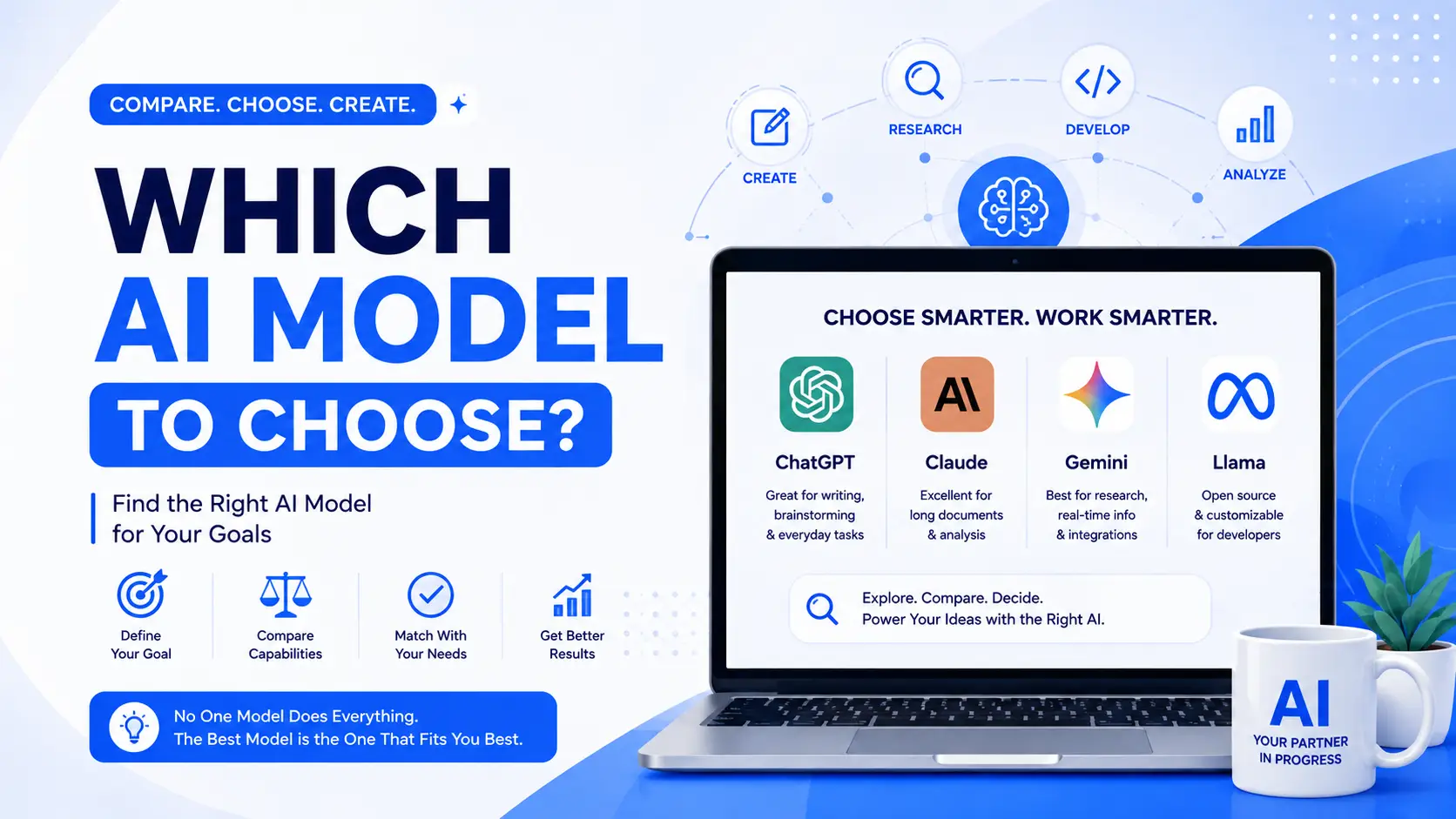
- AI model selector. Pick your engine first. You can choose MSB AI, OpenAI ChatGPT, Google Gemini, Anthropic Claude AI, xAI Grok AI, DeepSeek, Qwen, Meta AI, NVIDIA AI, OpenRouter AI, or MiniMax.
- Advanced options accordion. Set jurisdiction, duration, governing law, and enforcement. Each option is explained below.
- Generate button. Your inputs pass through the tool's built-in instructions, which steer the model toward tight clause language.
- Output card. The clause appears with a live word count in the footer.
- Export tools. Save as DOC, TXT, or HTML, or use Copy, Listen, Reuse, and Download on the result.
- Activity history panel. Earlier drafts stay in this session, so you can revisit a narrower version and compare.
Non-Compete Versus Non-Solicitation
People mix these up, but they do different jobs. This table sets them apart so you pick the right one:
| Point | Non-compete | Non-solicitation |
|---|---|---|
| Main aim | Stops working for a rival | Stops poaching your people |
| Reach | Broad, a type of work | Narrow, named relationships |
| Usual view in courts | Harder to enforce | Often easier to enforce |
| Best for | Senior, high-risk roles | Client-facing and team roles |
Who Is It For?
- Agencies and firms whose value sits in client relationships.
- Managers who want to protect a team from being recruited away.
- Business owners who feel a full non-compete is too heavy for the role.
- HR teams preparing a first draft to hand to counsel.
- Anyone reviewing a clause they have been asked to accept.
Key Features
Group by group
Protect clients, staff, suppliers, or all three, only as far as you need.
Tunable window
Set the duration and governing law so the clause suits your case.
Conduct focused
Language targets active solicitation, which reads better in review.
Model choice
Switch AI models to find the phrasing and firmness you like.
Save and reuse
Export to DOC, TXT, or HTML, or reuse a past draft from history.
Choosing Jurisdiction, Duration, Governing Law, And Enforcement
The four advanced options shape the clause to your situation. Set them before you generate.
| Option | What it controls | When to change it | Suggested starting point |
|---|---|---|---|
| Jurisdiction | The place whose rules the clause is written for | Always, since covenant rules differ by region | Where the person works, so local limits apply |
| Duration | How long the restriction runs after departure | When your relationships turn over faster or slower | A short window such as 12 months, which reviews well |
| Governing Law | Which legal system reads the clause | When parties sit in different regions | The same region as the jurisdiction, to stay aligned |
| Enforcement | How firmly the clause and its remedy are framed | To soften or tighten the stated consequence | A balanced setting, since a heavy hand invites a challenge |
Note A clause that only covers clients the person actually dealt with is usually stronger than one covering every client you have. Tie the restriction to real contact, and it is easier to defend.
Best Use Cases
- Protecting client accounts when a salesperson or account manager leaves.
- Stopping a departing lead from recruiting their old team.
- Adding a lighter restriction where a non-compete would be unenforceable.
- Preparing a first draft to cut down billed legal time.
- Learning what fair non-solicitation wording looks like before you negotiate.
Example Prompt And Result
Here is a prompt shape and the settings that shaped it:
Prompt: Write a non-solicitation clause for a departing account
manager. Protect clients they served and stop them recruiting our staff.
Model: OpenAI ChatGPT
Jurisdiction: Region where the role sits
Duration: 12 months
Governing Law: Same region
Enforcement: Balanced
The AI Non-Solicitation Clause Writer returns something along these lines, kept short:
For twelve (12) months after leaving, the Employee shall not directly solicit any client the Employee served in the final year of employment, nor encourage any current employee to leave the Company. Nothing here prevents the Employee from taking up general employment elsewhere...
Tips and Common Mistakes
What works well
- Limit protected clients to those the person actually worked with.
- Separate client solicitation from staff solicitation clearly.
- Keep the duration short and easy to justify.
- Add a line making clear general employment is still allowed.
What to watch for
- Covering every client ever, which reads as too broad.
- Blurring solicitation with a full non-compete by accident.
- Assuming it is enforceable everywhere the same way.
- Skipping legal review because the wording looks tidy.
Use this checklist before you rely on any draft:
- ✅ Protected clients tied to real, recent contact
- ✅ Staff and client restrictions listed separately
- ✅ Duration kept short and defensible
- ✅ A qualified lawyer set to review the final clause
Pro tip A non-solicitation clause often pairs with a competition restriction. When you need both, draft the harder one with the AI Non-Compete Clause Writer and keep the two consistent on duration and governing law.
AIToolsay is a free AI platform where every tool is free to use with no account, no credit counter, and no daily limit. You can run the AI Non-Solicitation Clause Writer as often as you like and switch AI models on a single screen to compare wording. When the clause needs a full agreement to live in, the AI Employment Contract Draft builds the wider contract around it. Everything runs in your browser at AIToolsay, with export, listen, and reuse on every result.
Frequently Asked Questions
Is the AI Non-Solicitation Clause Writer free?
Yes. The AI Non-Solicitation Clause Writer is free on AIToolsay, with no account and no limit on how many drafts you generate.
Is the output legal advice?
No. It is a practical starting draft, not legal advice. Have a qualified lawyer review anything important, because clause wording decides whether a restriction stands.
Is a non-solicitation clause easier to enforce than a non-compete?
Often, because it targets specific conduct rather than banning work. Even so, enforceability still varies by country and state, and some places restrict these covenants, so review it locally.
What is the difference from a non-compete?
A non-compete stops someone working for a rival. A non-solicitation clause only stops them poaching your clients, staff, or suppliers. The AI Non-Solicitation Clause Writer focuses on that narrower goal.
Which groups can the clause protect?
Clients, employees, suppliers, and prospects the person dealt with. Name the groups in your prompt so the draft covers the right relationships and no more.
How long should the restriction last?
A short window is usually safest, often up to a year. A long restriction is more likely to be narrowed or rejected, so pick a duration you can justify.
A non-solicitation clause protects the relationships that make your business work, without stopping anyone from earning a living elsewhere. The AI Non-Solicitation Clause Writer gives you a narrow, readable draft with the right groups and a sensible window, so review is faster and cheaper. Keep it targeted, keep it fair, and let a lawyer confirm it fits your region.
Thanks for reading, and I hope your next clause protects exactly what it should. Come and join the AIToolsay community, follow AIToolsay on social media, switch on push notifications for new tools, and subscribe to the newsletter so the useful updates reach you first.
Let AI Speak.
Want more AIToolsay stories in your Google Search results?